


Reflections on Mold, Modern Living, and the Forgotten Intelligence of Nature
By Ian Clark
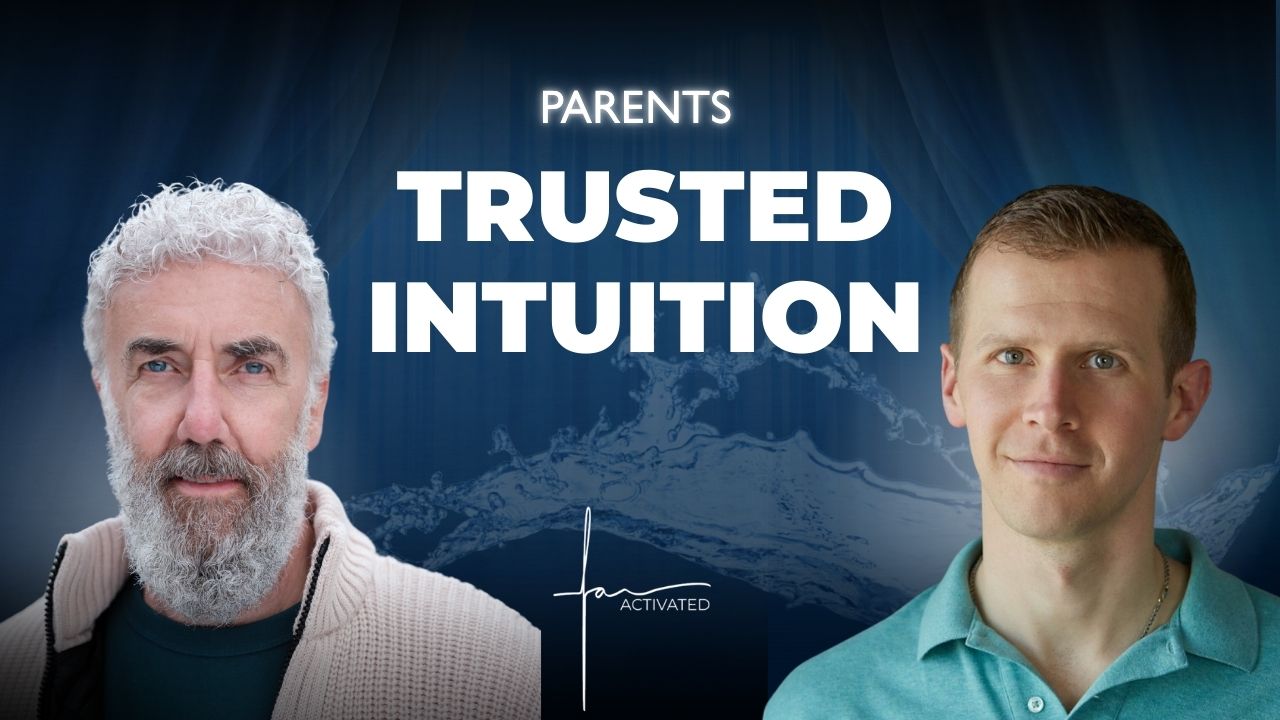
There are certain conversations that stay with you long after the microphones are turned off.
My recent discussion with Jason Earle was one of those conversations.
Not because it was dramatic.
Not because it relied on fear.
And certainly not because it tried to villainize nature.
What made this discussion powerful was that it fundamentally reframed how we think about illness, healing, and the environments we live inside every single day.
For decades, health conversations have revolved around food, supplementation, detoxification, exercise, and genetics. Yet one of the largest influences on human biology remains largely ignored:
The air we breathe inside the buildings we inhabit.
And when you truly begin to understand that… you realize that the modern home has quietly become one of the greatest determinants of human health.
We Have Built Ourselves Into Biological Conflict
One of the most profound insights Jason shared was this idea that modern buildings are no longer aligned with nature.
Historically, homes were constructed from stone, plaster, old-growth timber, clay, and breathable materials. They were imperfect in some ways, but they had one major advantage:
They could dry.
Moisture could escape.
Air could circulate.
Nature remained part of the equation.
Today, many homes are essentially sealed plastic ecosystems.
We have filled walls with synthetic insulation, chemical coatings, adhesives, plastics, foams, synthetic flooring, and vapor barriers. We have prioritized speed, efficiency, and cost reduction over biological compatibility.
The result is a built environment that traps moisture, traps chemicals, traps stagnant air, and ultimately creates ideal conditions for fungal overgrowth.
And then we wonder why chronic illness continues to rise.
Mold Is Often the Messenger, Not the Enemy
One of the reasons I appreciated this conversation so much is because Jason refused to approach mold from a fear-based perspective.
Instead, he framed mold as a signal.
That distinction matters deeply.
We live in a culture that is constantly trying to “kill” things. Kill bacteria. Kill fungus. Kill symptoms. Kill inflammation. Kill discomfort.
But nature rarely operates in such simplistic terms.
Fungal growth is usually the consequence of imbalance. Moisture accumulation. Poor airflow. Synthetic building materials. Neglected water damage. Overly sealed environments.
In many ways, mold behaves similarly to inflammation in the human body.
It is the alarm system.
And while alarms can become destructive if ignored long enough, the goal should not simply be suppression. The goal is to understand why the signal appeared in the first place.
That perspective mirrors much of what I have personally experienced throughout my own health journey.
My Personal Experience With Chronic Toxicity
Years ago, I developed a severe tumor in my perineum that took nearly seven years to fully resolve.
At the time, I had accumulated years of toxic burden:
-
heavy metals
-
chemical exposure from oilfield work
-
fungal imbalance
-
environmental toxicity
-
chronic physiological stress
I refused surgery because intuitively I felt the condition itself was communicating something deeper to me.
Over time, through detoxification, environmental correction, nutritional rebuilding, and relentless persistence, my body slowly restored equilibrium.
The experience permanently changed the way I view disease.
Symptoms are often not random acts of betrayal by the body.
They are biological communication.
That does not mean we ignore pathology.
It means we stop reducing every condition into a war narrative.
The body is always attempting adaptation.
The Indoor Environment May Be the Missing Piece in Modern Wellness
One of the strongest points Jason made is that we now spend the overwhelming majority of our lives indoors.
And every breath becomes an exposure.
Approximately 20,000 breaths per day.
That means:
-
airborne chemicals
-
mold metabolites
-
stagnant air
-
synthetic fragrances
-
VOCs
-
microplastics
-
dust particulates
…are not occasional exposures.
They are repetitive biological instructions.
And this is where the conversation becomes far bigger than mold itself.
Because once you understand this principle, you begin realizing that wellness is not only about what we add to the body.
It is equally about what we remove from the environment.
The Future of Health Will Include Healthy Buildings
One of the most fascinating parts of the conversation involved Jason’s work with healthier construction materials and biologically aligned architecture.
The future of wellness will not simply revolve around:
-
supplements
-
detox protocols
-
biohacking gadgets
-
advanced diagnostics
It will also revolve around:
-
breathable materials
-
non-toxic homes
-
airflow
-
natural humidity regulation
-
low-chemical environments
-
proper light exposure
-
microbial diversity
-
healthy sleep environments
Because the home itself becomes an extension of the immune system.
That may sound philosophical, but biologically it is profoundly practical.
Your nervous system is constantly scanning the environment around you.
Every surface.
Every scent.
Every airborne particle.
Every frequency.
Every breath.
Your biology is in constant conversation with your environment whether you realize it or not.
Nature Is Not the Problem
One of the greatest modern misunderstandings is the belief that sterility equals health.
It does not.
Jason spoke about how homes with overly sanitized environments often correlate with increased asthma, allergies, and autoimmune conditions.
Why?
Because humans evolved in relationship with microbial diversity.
We were never designed to live completely separated from nature.
The goal is not sterility.
The goal is equilibrium.
A healthy environment is not lifeless.
It is balanced.
That distinction changes everything.
Healing Often Begins With Subtraction
One concept that deeply resonated with me throughout this discussion was the idea of improvement through subtraction.
Modern culture is obsessed with addition:
-
more stimulation
-
more products
-
more chemicals
-
more interventions
-
more complexity
But often the body heals when interference is removed.
Remove the toxic burden.
Remove stagnant air.
Remove inflammatory compounds.
Remove chronic stressors.
Remove the synthetic overload.
And suddenly the body remembers what it was designed to do.
Heal.
Final Thoughts
This conversation was never really about mold.
It was about our relationship with nature itself.
It was about remembering that the human body is not separate from the environment.
It is shaped by it continuously.
And perhaps the greatest mistake of modern civilization has been believing we could out-engineer biology while ignoring the intelligence of nature.
The future of health will belong to those who learn how to cooperate with nature again rather than dominate it.
Because ultimately, health is not created through control.
It is created through alignment.

Returning to the Intelligence of Nature
Why Modern Medicine Still Feels Primitive with Wendy Myers